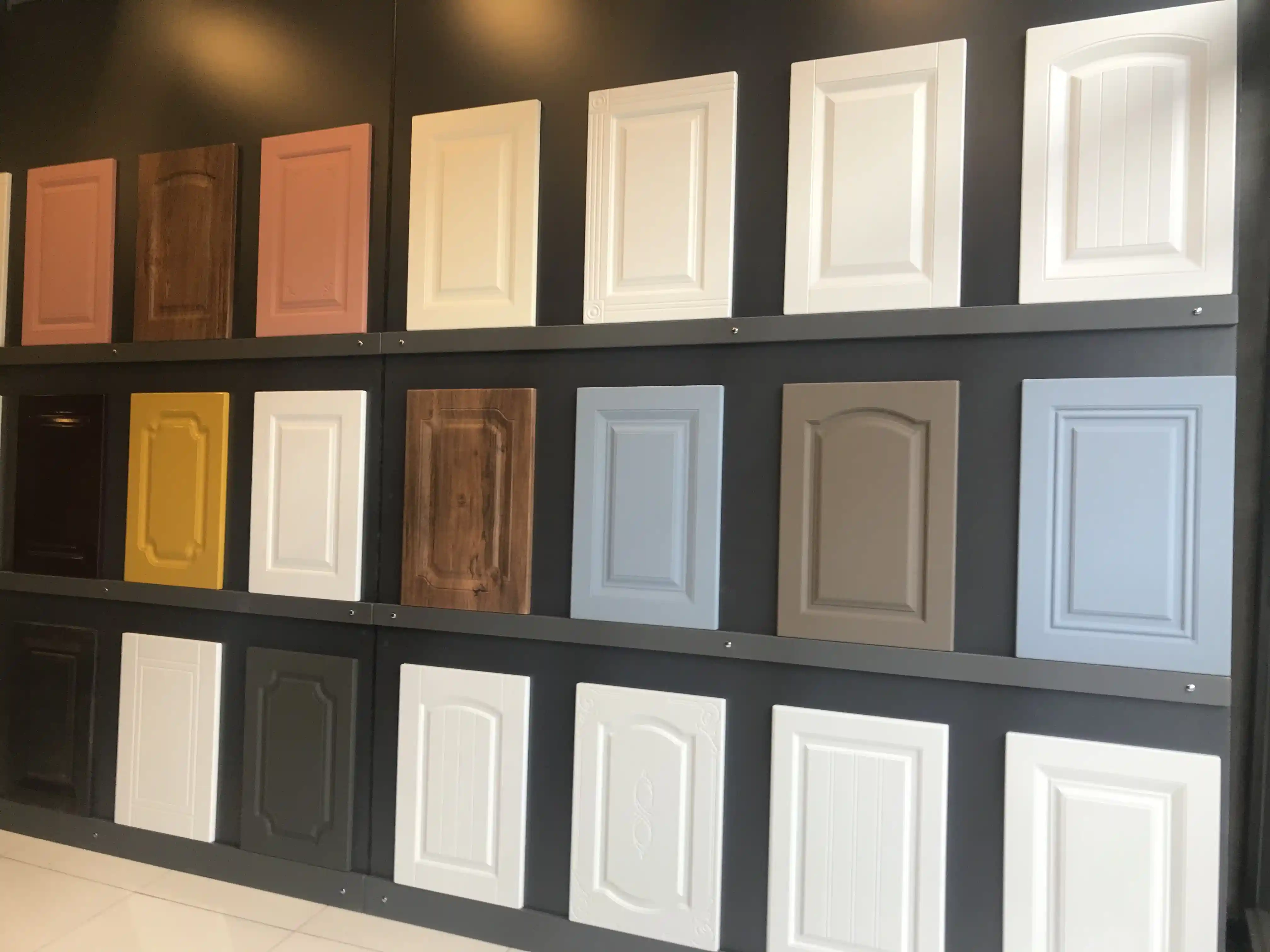
Mobilyalarda Membran
Mobilyalarda Membran: Dayanıklılık ve Estetiğin Buluşması
Mobilya sektöründe son yıllarda öne çıkan malzemelerden biri olan membran, sağlamlığı, estetik görünümü ve uygun fiyatıyla birçok kullanıcıyı cezbetmektedir. Bu makalede, mobilya membranının ne olduğunu, avantajlarını ve dezavantajlarını, çeşitlerini ve seçiminde dikkat edilmesi gerekenleri inceleyeceğiz.
Membran Nedir?
Membran, MDF (orta yoğunlukta lif levhası) üzerine PVC (polivinil klorür) kaplama ile üretilen bir malzemedir. Bu kaplama, membran kapakların birçok avantaja sahip olmasını sağlar.
Membran Kapakların Avantajları:
- Dayanıklılık: Membran kapaklar, çizilmeye, darbelere ve neme karşı oldukça dayanıklıdır. Bu da onları mutfak ve banyo gibi yoğun kullanılan alanlarda ideal bir seçim haline getirir.
- Kolay temizlik: Membran kapaklar pürüzsüz bir yüzeye sahiptir ve bu sayede kolayca temizlenebilir.
- Estetik görünüm: Membran kapaklar, çok çeşitli renk ve desenlerde üretilebilir. Bu da her zevke ve dekorasyona uygun bir seçenek sunar.
- Uygun fiyat: Membran kapaklar, diğer kapak türlerine göre daha uygun fiyatlıdır.
Membran Kapak Türleri:
- Mat membran: Pürüzsüz ve mat bir yüzeye sahiptir.
- Parlak membran: Parlak ve ışıl ışıl bir yüzeye sahiptir.
- Yüksek parlak membran: Ayna gibi parlak bir yüzeye sahiptir.
- Lake membran: Boyalı ve cilalı bir yüzeye sahiptir.
- Wood look membran: Ahşap görünümlü bir yüzeye sahiptir.
Membran Kapakların Kullanım Alanları:
- Mutfak dolapları: Membran kapaklar, mutfak dolaplarında en çok kullanılan kapak türüdür.
- Banyo dolapları: Membran kapaklar, banyo dolaplarında da sıklıkla kullanılır.
- Yatak odası dolapları: Membran kapaklar, yatak odası dolaplarında da kullanılabilir.
- Ofis mobilyaları: Membran kapaklar, ofis mobilyalarında da kullanılabilir.
- Televizyon üniteleri: Membran kapaklar, televizyon ünitelerinde de kullanılabilir.